

Knowledge graphs · Ancient philosophy
PhiloGraphia
From ancient biography to connected knowledge: people, places, schools and ideas in Diogenes Laertius.
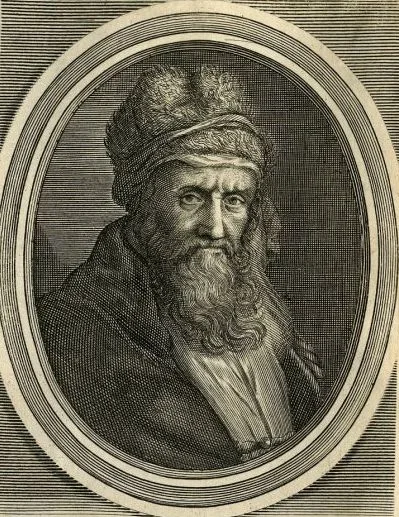
The research question
How can we read the relationships within a life?
PhiloGraphia models the Lives and Opinions of Eminent Philosophers as a knowledge graph. The recurring structure of the biographies supports a shared description of philosophers, their teachers, schools, places and doctrines.
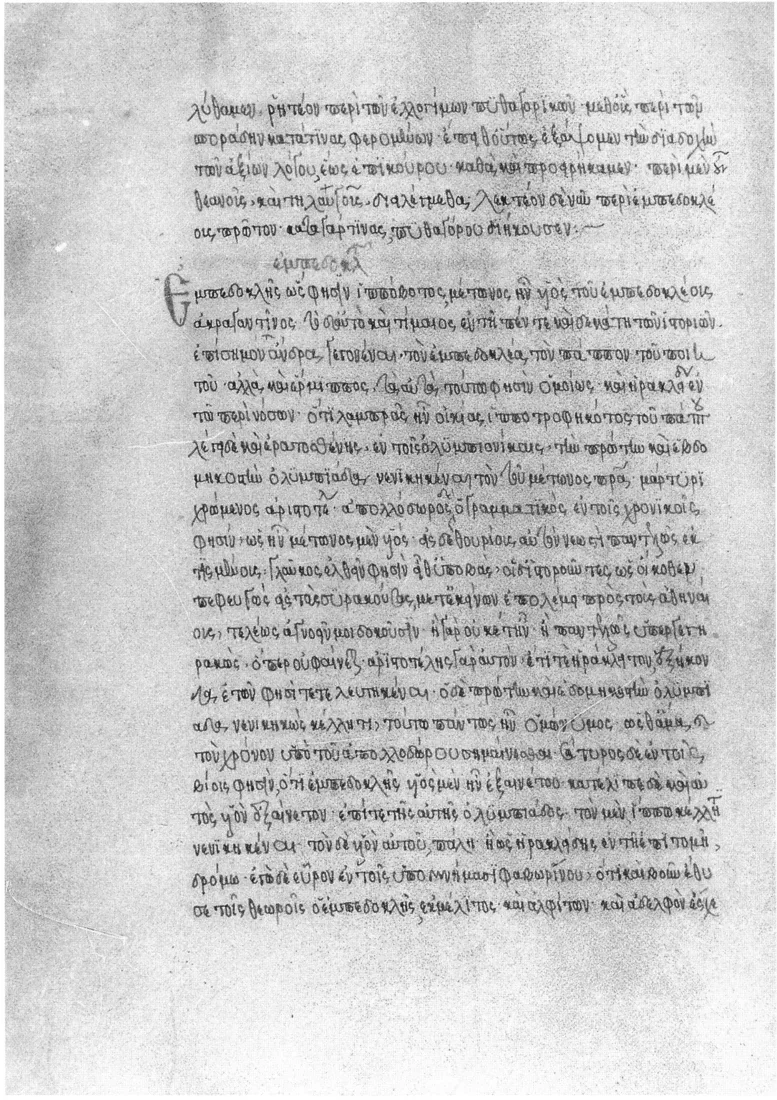
From source to question
Read through relationships
Who taught whom?
Biographical relationships connect philosophers to teachers and pupils.
Where does a life unfold?
Places connect biographical accounts to their geographical setting.
Who belongs to a tradition?
Schools make affiliations and intellectual traditions navigable.
How are doctrines connected?
Concepts and doctrines form another route through the biographies.
A guide to the project’s entity types, not a sample of live graph results. Open the application to inspect the records.
Open the Laertius edition ↗Aims & approach
- Represent biographical entities and their intellectual relationships.
- Support exploration and teaching through linked knowledge.
- Make the source accessible through a navigable research application.
Explore the outputs & resources
Project facts & funding
- Source
- Diogenes Laertius · early 3rd century CE
- Host
- University of Crete
- Funding
- ELKE, University of Crete · Category D
- Project code
- 12397
- Platform
- SemeiaCarta
Image credits
Diogenes Laertius · engraving, 1688 · Public domain.

Diogenes Laertius · Marciana Gr. 394, fol. 143v · Public domain.

Images resized and converted to WebP. Historical illustrations provide context; they are not project results.