

Horizon Europe · ERA Chairs
TALOS AI4SSH
Building lasting capacity for artificial intelligence in the humanities and social sciences at the University of Crete.
Explore project →Current and recent work
From scholarly questions to shared research resources. Explore the laboratory’s projects and the wider collaborations around them.
Horizon Europe · ERA Chairs
Building lasting capacity for artificial intelligence in the humanities and social sciences at the University of Crete.
Explore project →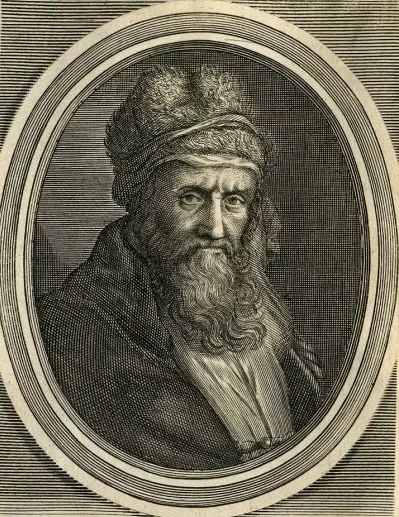
Knowledge graphs · Ancient philosophy
From ancient biography to connected knowledge: people, places, schools and ideas in Diogenes Laertius.
Explore project →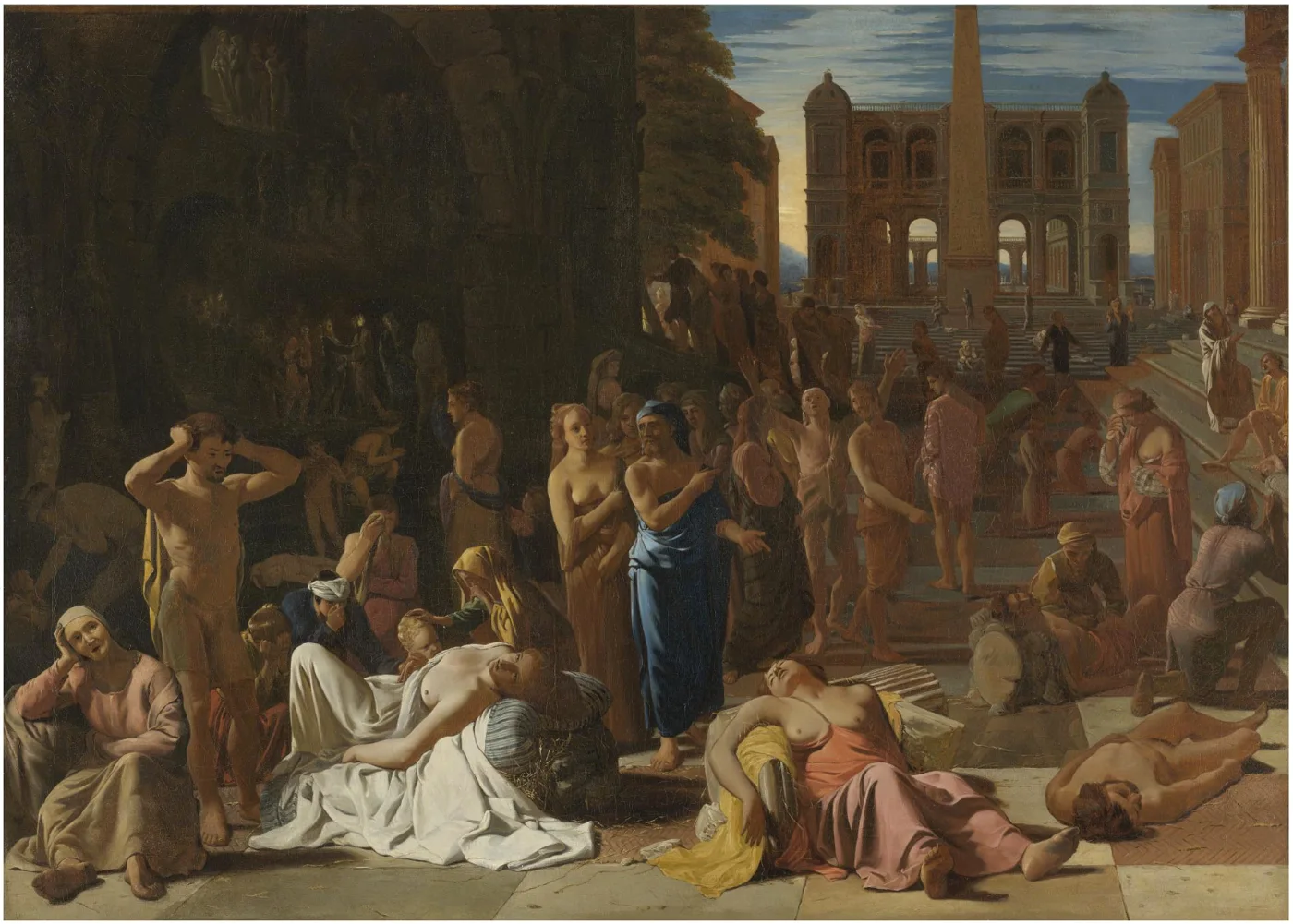
Linked project · Leadership and crisis
Leadership and crisis management in ancient literature, explored through texts and structured historical knowledge.
Explore project →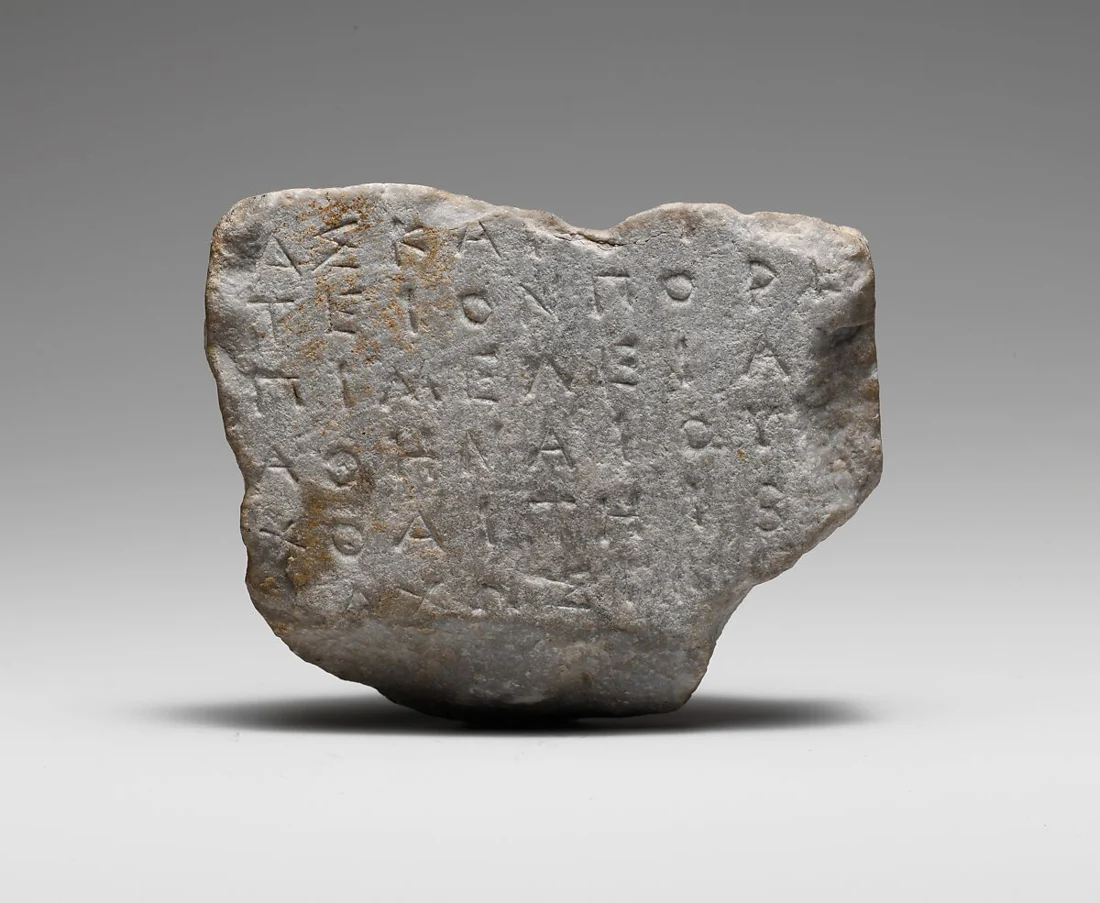
Linked project · European Research Council
Enslaved people as agents in the making of societies and cultures across ancient Western Eurasia and Africa.
Explore project →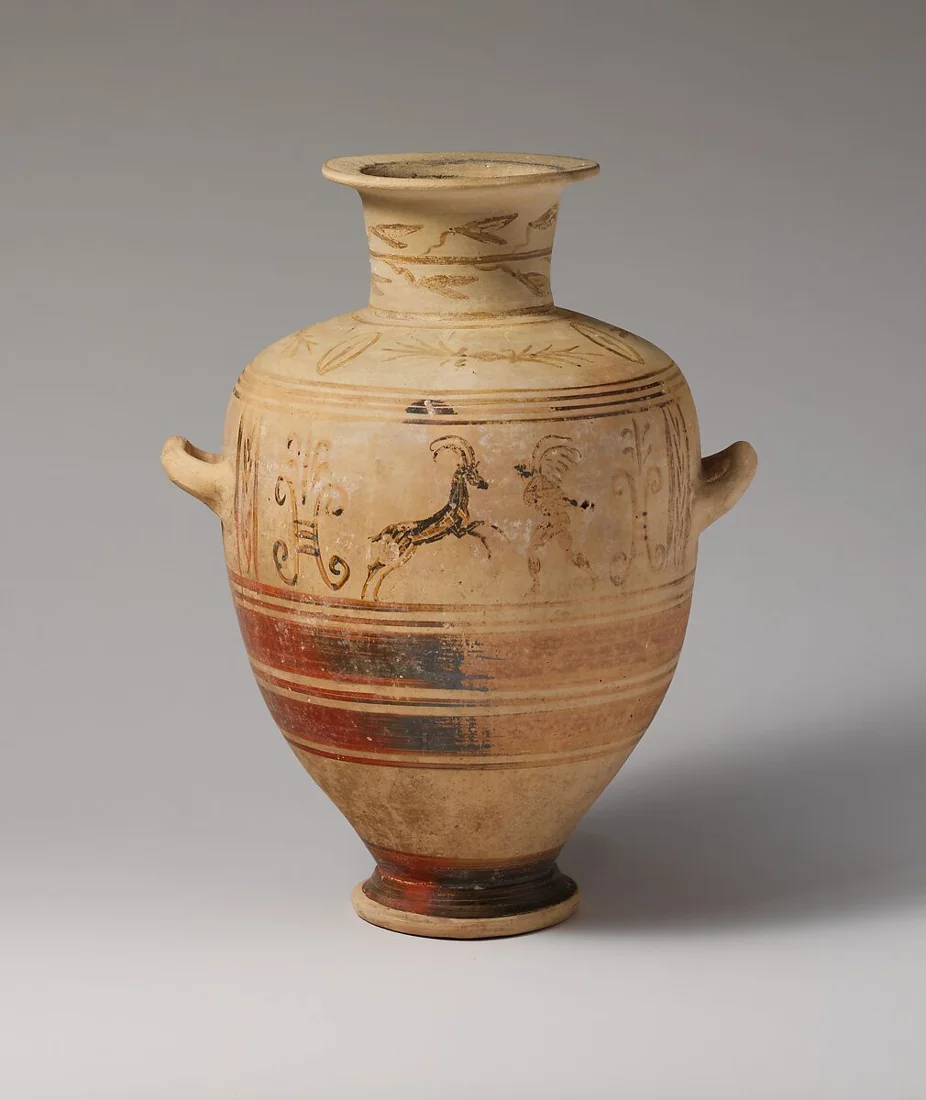
Linked project · Digital cultural heritage
An ERA Chair programme for holistic documentation of digital cultural heritage at the Cyprus University of Technology.
Explore project →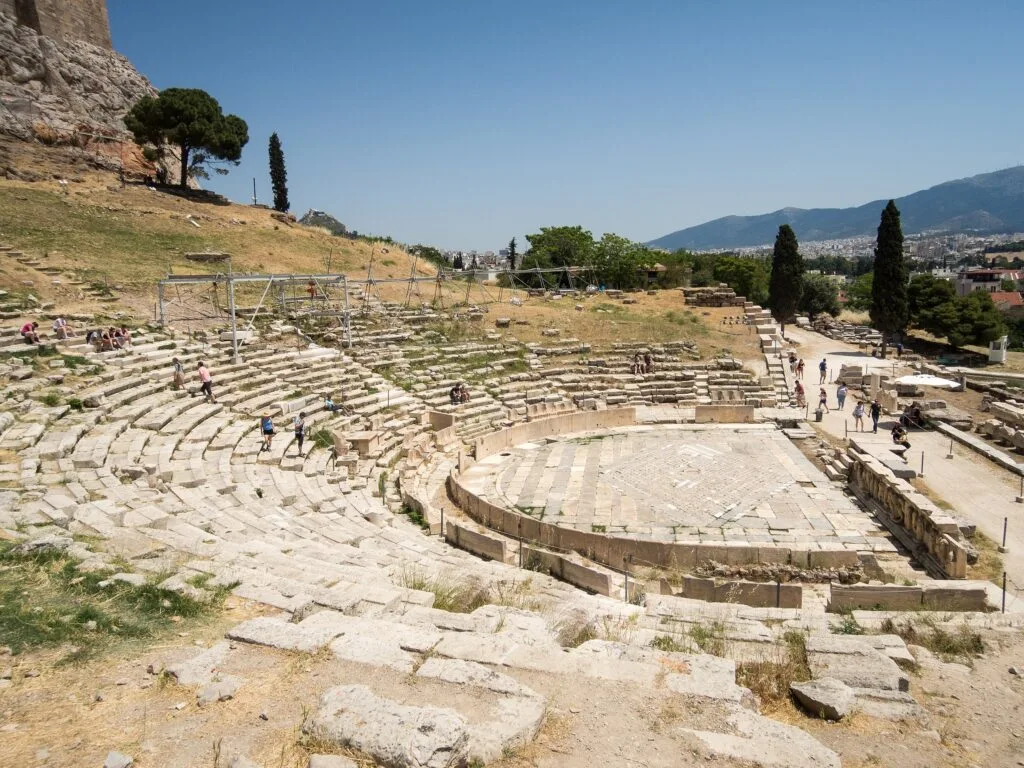
Linked project · Digital editions
Recovering the wider world of Greek tragedy through fragmentary texts and the lives of its poets.
Explore project →Grant periods from CORDIS. Bar length represents time, not funding or performance. Each bar opens its project.
A source becomes a research resource through interpretation, modelling and careful documentation. Our project pages connect each question to the people, institutions and resources behind it.
Standards, research, education and exchange: the laboratory’s collaboration directory.
Knowledge engineering at the Université Savoie Mont Blanc, France. Organisers of the TOTh conference series on terminology and ontology.Contact: Prof. Christophe Roche
Istituto di Linguistica Computazionale ‘Antonio Zampolli’, Centro Nazionale di Ricerca, Italy.Contact: Dr Silvia Piccini
Knowledge centre for Ukrainian language resources, University of Jena, Germany.Contact: Dr Olha Kanishcheva
International network for linked open geodata in the humanities.Contact: Elton Barker
Information technology for cultural heritage, Université Grenoble-Alpes, France.Contact: Dr Caroline Djambian
Cartographie des savoirs et savoir-faire, Paris, France.Contact: Dr Marie Calberg-Challot
Athens, Greece.Contact: Dr Despoina Valatsou
Al Wasl University, Dubai, United Arab Emirates.Contact: Prof. Mohamed Sahbi ben Amor Baazaoui
Institute of Mediterranean Studies, Rethymno. The project behind the LACRIMALit ontology of crisis.Contact: Prof. Melina Tamiolaki
Institute of Mediterranean Studies, Rethymno. Funded by the European Research Council.Contact: Dr Kostas Vlassopoulos
Digital cultural heritage ERA Chair at the Cyprus University of Technology.Contact: Dr Marinos Ioannides
Greek Fragmentary Tragedians Online, University of Patras. Funded by the Hellenic Foundation for Research and Innovation.Contact: Dr Andreas Antonopoulos
Nanjing University of Aeronautics & Astronautics, China. Memorandum of understanding with the University of Crete, signed 6 May 2024. The partnership behind the Greek and Chinese Philosophers ontology.Contact: Dr Hui Liu
School of Philosophy, University of Crete.Contact: Dr Yota Samioti
Athens, Greece.Contact: Theoni Skourta
National and Kapodistrian University of Athens.Contact: Andriana Papakonstantinou
Science and research news outlet.
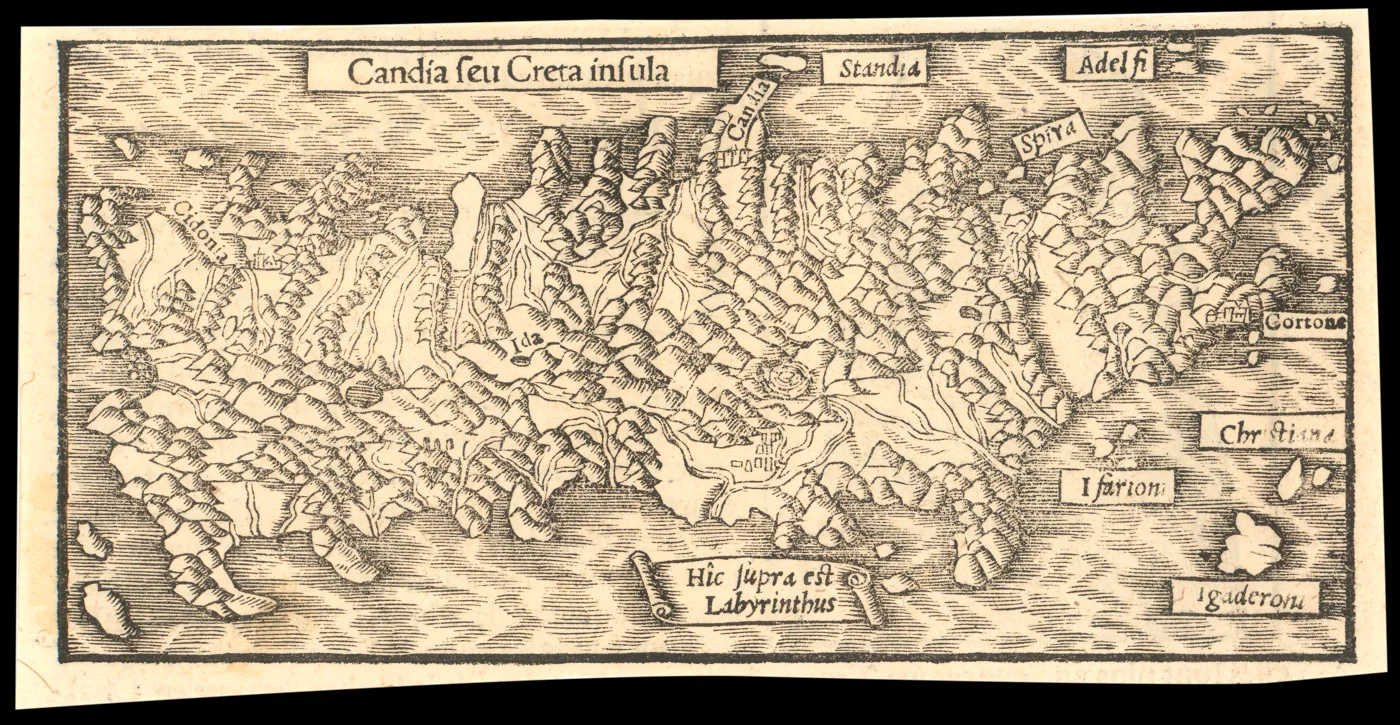
Sebastian Münster · Candia seu Creta Insula, c. 1560 · Public domain.
Diogenes Laertius · engraving, 1688 · Public domain.
Michiel Sweerts and workshop · Plague in an Ancient City · Public domain.
Fragment of an Attic decree · The Metropolitan Museum of Art · Public domain / Open Access.
Cretan Hadra hydria · The Metropolitan Museum of Art · Public domain / Open Access.
Theatre of Dionysos, Athens · dronepicr · CC BY 2.0.
Images resized and converted to WebP. Historical illustrations provide context; they are not project results.
CC BY 2.0 licenceTALOS Laboratory
Start typing to search the content of this page.
.jpg)

